
Plastic Lids in the Global Market:
Inside a Multi‑Billion‑Dollar Category
— and China's Manufacturing Rise
Pick up a coffee from any major chain and you probably won't look twice at the lid. Yet that small component sits inside one of the fastest‑consolidating segments of global packaging — and Chinese thermoforming manufacturers now supply much of it.
01 — DUAL OPENING (SIP + STRAW)
Independent seals, no rebound, no leaking
02 — ANTI-SPILL FLOW CHANNEL
Raised drip channel + return groove
03 — SNAP-FIT RIM
Fits paper and plastic cups alike
04 — MATERIAL OPTIONS
PET · PP · PS · PLA / CPLA, thermoformed
FIG. 01 — REPRESENTATIVE ANTI-SPILL LID DESIGN, THERMOFORMED PET/PP CONSTRUCTION
A Steadily Expanding, Rigid‑Demand Category
Zoomed out, plastic lids sit inside the broader thermoformed packaging market — a category defined by stable, food‑and‑beverage‑driven demand.
Global thermoformed plastics market, 2025 to projected 2032, at 4.6% CAGR
Share held by food and beverage packaging — the largest single segment
Disposable thermoformed food container sales, 2024 to projected 2031
Even as plastic‑reduction policy pressure peaks globally, plastic lids are not shrinking. They are expanding along two parallel tracks at once — functional upgrades (leak‑proof, dual‑format designs) and degradable material adoption.
Sourcing lids for a beverage or food brand? Let's talk material and volume fit.
Talk to a SpecialistThree Forces Shaping the Global Lids Market
Plastic Still Leads, But the Materials Mix Is Shifting
Polypropylene (PP) holds the largest share of the 2025 global thermoformed plastics market at 34.6%. Within thin‑gauge thermoforming specifically, PET leads with roughly 40.2% share and a market size of $7.43 billion. The split reflects a clear division of labor by material property:
- PP — heat‑resistant from -20°C to 120°C and microwave‑safe; the default for takeaway food containers and hot‑drink lids.
- PET / RPET — over 85% light transmission, rigid and clear, meets FDA and EU food‑contact standards; the first choice for cold‑drink lids and premium blister packaging.
- PS — clear, rigid and low‑cost, suited to static display packaging, though now restricted in several EU and US markets.
- PLA / CPLA — industrially compostable, and the fastest‑growing substitute material under plastic‑reduction policy.
Asia‑Pacific Manufactures, the US and EU Set the Compliance Bar
Asia‑Pacific led the global thermoformed plastics market in 2025 at $236.1 billion, and within thin‑gauge thermoforming it holds an even larger 38.21% share (~$7.07 billion), ahead of North America (28.5%) and Europe (23.77%).
At the same time, regulation is tightening where the goods are sold. The EU's Packaging and Packaging Waste Regulation (PPWR) 2025/40 took effect on 11 February 2025, with key provisions applying from August 2026, raising requirements on recyclability, reusability and extended producer responsibility. California's SB 54 requires single‑use plastic packaging to reach 65% recyclability by 2032. Brands are now vetting suppliers on a new baseline: the ability to offer recyclable single‑layer thermoforming, rPET, and compostable alternatives.
Leak‑Proof, Multi‑Format Design Is the New Baseline
As food‑delivery penetration and on‑the‑go consumption deepen, "spill‑proof, sealable, and compatible with both paper and plastic cups" has become the gold standard for lid design. The recovery of outdoor consumption and the spread of self‑serve drink counters in convenience stores are pushing demand for portable, anti‑spill lids further still.
Need a lid that meets a specific compliance target? We can match material to requirement.
Discuss Your Compliance TargetChina's Supply Chain: The Hidden Engine of the Global Lids Business
Trace the lid supply chain behind Luckin Coffee, HeyTea, Mixue, McDonald's, Starbucks, Burger King, Chagee and Chali, and a pattern emerges: Chinese manufacturers quietly carry much of this global business.
| Company | 2024 Revenue | Lid‑Business Highlights | Degradable |
|---|---|---|---|
| Jialian Technology | ~RMB 3.0B | Dual product lines; biodegradable‑product sales of RMB 298M, a five‑year CAGR of 60% | Yes |
| Hengxin Life | RMB 1.594B | Lid revenue ~RMB 254M (16% of total); full in‑house PLA modification‑to‑forming process | Yes |
| Fuling Plastics | RMB 2.269B | Four production bases (China, US, Mexico, Indonesia) since 2014; plastic tableware ~65% US‑exposed | Yes |
| Zhongxin Co. | ~RMB 1.3B | Developing dedicated lid molds for Starbucks; ~200,000 lids/day capacity | Plant‑fiber |
| Changya New Materials | ~RMB 1.1B | Plastic tableware is 91.66% of core business; export‑oriented | Limited |
| CSSC Pengli Plastics | ~RMB 900M+ | Third‑generation anti‑spill lid (2.0); PLA heat resistance up to 100°C | Yes |
| Shuangqiang Technology | RMB 1.596B | Non‑core business; limited retail PP lidded‑cup line only | — |
Figures compiled from public company filings, prospectuses, annual reports and industry research; used for market context only.
Thermoformed Lids: An Undervalued Niche — and KING GARDEN PAPER's Place in It
While injection‑molded PLA lids and overseas plants attract most of the attention, thermoforming — vacuum and blister forming — runs as a parallel track, valued for being lightweight, highly customizable, protective, and easy to scale.
China's overall thermoformed‑product market in 2023, of which RMB 44.82B was thermoformed packaging
Global thermoformed packaging market, 2024 to projected 2032, at roughly 5.41% CAGR
Projected 2025 year‑over‑year growth in China's thermoformed packaging market
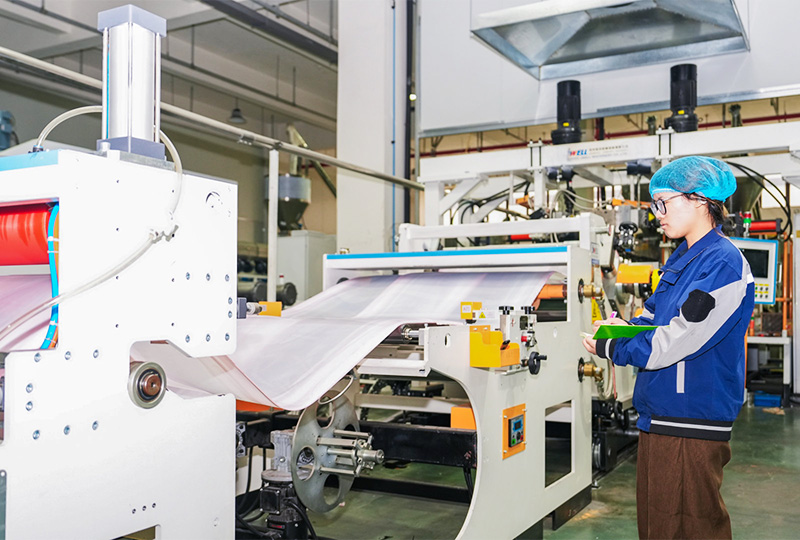
KING GARDEN PAPER is a dedicated thermoformed plastic lid manufacturer built around the PET / PP / PS materials matrix, delivering everything from raw sheet to finished lid: coffee and tea cold‑drink lids, bakery and pastry display covers, and premium cosmetics and personal‑care packaging.
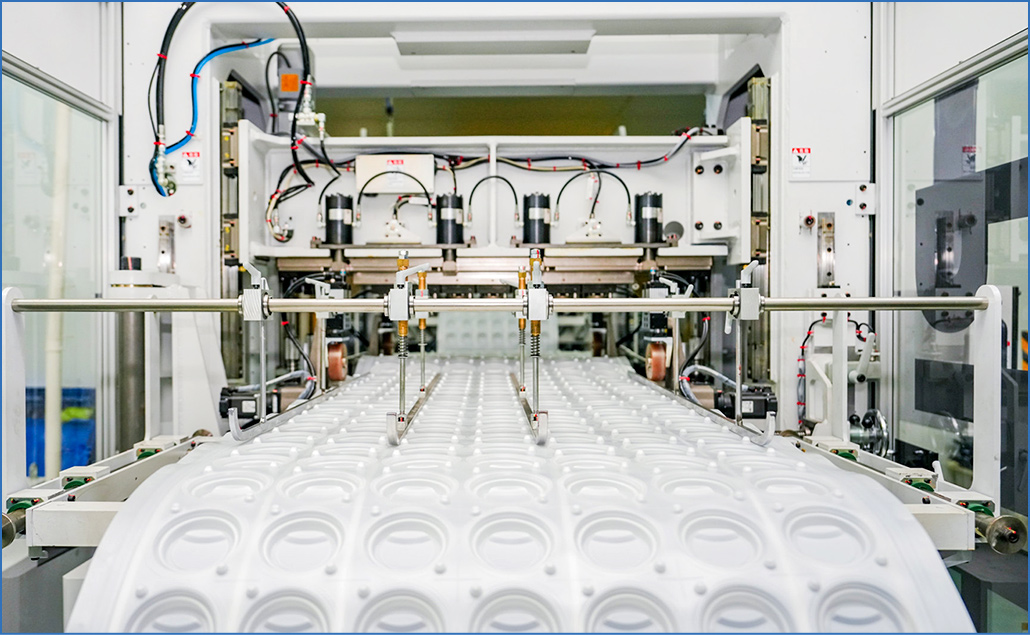
Scale Production, Engineered from the Mold Up
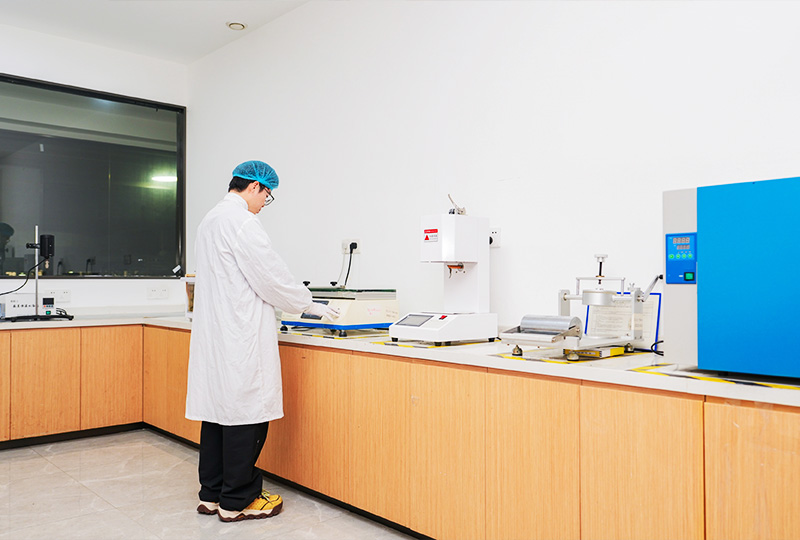
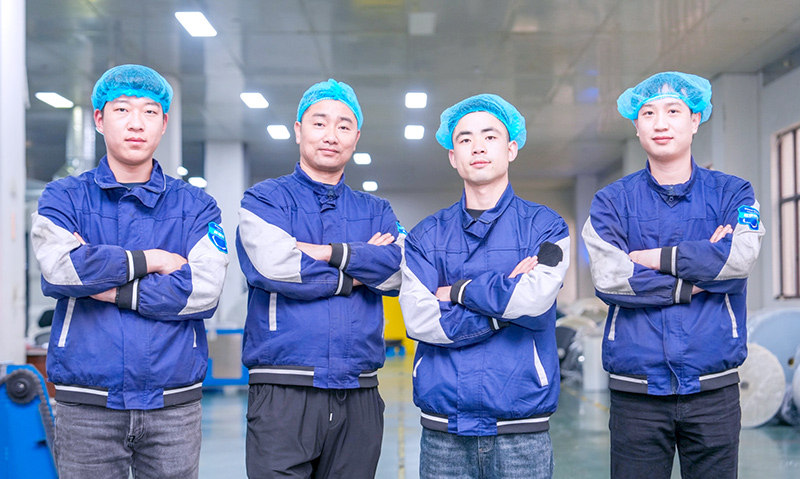
Efficient, Reliable Response
Who We Work With
Built for Global Delivery
| Material | Heat Resistance | Clarity / Appearance | Typical Application | Compliance Note |
|---|---|---|---|---|
| PP | ‑20°C to 120°C, microwave‑safe | Translucent | Hot‑drink lids, takeaway container lids | Widely accepted; recycling code 5 |
| PET / RPET | Up to ~60°C | High clarity, >85% light transmission | Cold‑drink lids, premium blister lids | Meets FDA and EU food‑contact standards; RPET supports recycled‑content targets |
| PS | Room‑temperature use | High clarity, rigid | Static display packaging | Facing restrictions in several EU and US markets |
| PLA / CPLA | CPLA heat‑modified up to ~100°C | Matte to semi‑clear | Compostable lids for eco‑positioned brands | Industrially compostable; supports EPR and recyclability targets |
Tell us your cup diameter, material and volume — we'll turn it into a lid spec and quote.
Request a Custom Lid QuoteThree Trends Worth Tracking
Compliance Moves From Premium Option to Baseline Requirement
With the EU PPWR's key provisions taking effect from August 2026 and California's SB 54 requiring 65% recyclability by 2032, companies with in‑house PLA and rPET capability stand to benefit most. rPET is steadily replacing virgin PET as the default choice for export and premium fresh‑food use. KING GARDEN PAPER's flexible PET/PP/PS sheet configuration is built to match brands' compliance timelines as they shift.
Overseas Plants and FOB Delivery Are Running in Parallel
Larger players are building capacity abroad — four production countries, a Thailand plant, a planned US facility — representing a "China R&D, overseas manufacturing" model. Specialist thermoforming factories delivering FOB Shanghai and Ningbo represent the alternative: "source in China, distribute globally," a lighter‑asset path. The two models aren't competing so much as forming a dual safety net for China's lid supply chain.
Functional Innovation Favors Thermoforming's Natural Agility
Spill‑proof design, dual‑opening lids, and paper/plastic cup compatibility are where the real pricing‑power opportunities sit. Injection‑mold tooling is costly and slow to iterate; thermoforming's lighter, more flexible mold changes suit fast prototyping for small and mid‑size brands, regional‑chain customization, and cross‑category development such as pharmaceutical and personal‑care blister lids.
Planning a custom lid design for next season?
Start a Design ConversationThe global plastic lids market is running through three shifts at once: plastic isn't disappearing, degradable materials are rising, and functional design is upgrading. The logic behind choosing a supplier has changed with it.
Not who is cheapest — who can deliver stable PP/PET capacity, degradable‑material technology, flexible customization, and reliable global delivery, together.
A small lid mirrors a larger shift already underway in Chinese manufacturing — from competing on cost alone to competing on material, technology and global capacity, together.
Get the Full Plastic Lids Market Insight Pack
If you're sourcing lids, evaluating suppliers, or researching export compliance, we've packaged the market data, company comparisons and sourcing logic from this brief into one document — along with a KING GARDEN PAPER capability and pricing overview.
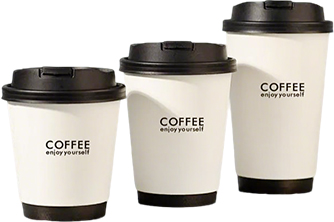
Who is this for?
- Procurement, supply chain and packaging leads at tea, coffee and QSR brands
- Sourcing and compliance specialists at cross-border trade companies
- Sales, marketing and founders in the food-packaging industry
- Researchers studying plastic substitution or export compliance
Data Sources & References
The market information and company references in this report are compiled from publicly available company sources, including official WeChat public accounts.
- 宁波家联科技股份有限公司 — 微信公众号:宁波家联
- 浙江众鑫环保科技集团股份有限公司(众鑫股份) — 微信公众号:众鑫股份
- 合肥恒鑫生活科技股份有限公司(HXIN恒鑫生活) — 微信公众号:恒鑫生活
- 中船鹏力(南京)塑造科技有限公司 — 微信公众号:中船鹏力塑造
- 双枪科技股份有限公司(Shuangqiang) — 微信公众号:双枪科技
- 宁波昌亚新材料科技股份有限公司 — 微信公众号:昌亚新材料
- 广东特冠环保控股有限公司 — 微信公众号:广东特冠环保控股有限公司
- 富岭科技股份有限公司 — 微信公众号:富岭科技股份有限公司
Market data compiled from public company disclosures, prospectuses, annual reports and industry research; KING GARDEN PAPER capability details provided directly by the company.